
Park

Park

Gombe National Park

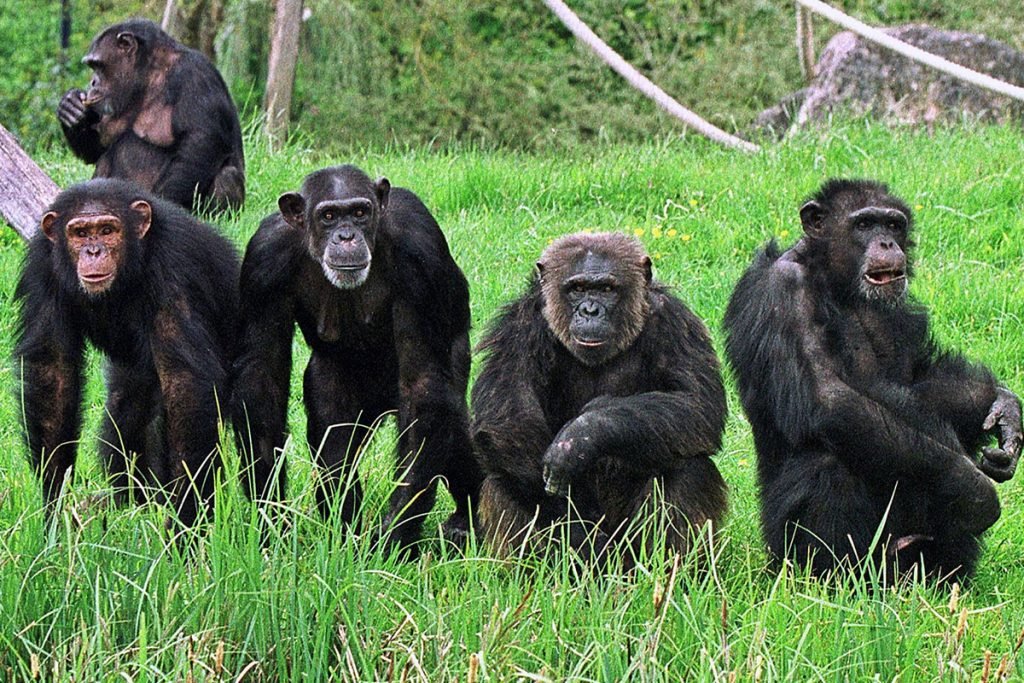
Gombe National Park National Park Tanzania +255 784 058 345 info@againexpeditions.com Gombe National Park Gombe National Park, one of Tanzania’s smallest yet most fascinating protected areas, holds a special place in the world of wildlife conservation and research. Initially established as a game reserve in 1943, it was later upgraded to national park status in 1968, making it a globally recognized conservation site. The park is located just 16 kilometers north of Kigoma town, along the picturesque shores of Lake Tanganyika in western Tanzania. Despite its modest size of only 56 square kilometers, Gombe offers a unique blend of scenic beauty and ecological significance. The park is most famous for being a sanctuary for chimpanzees, offering visitors the rare opportunity to observe these primates in their natural habitat. Gombe’s terrain of steep valleys, lush forests, and rivers provides a fragile but vital ecosystem where chimpanzees thrive. What makes Gombe truly iconic is the groundbreaking research pioneered by Dr. Jane Goodall in 1960. Her extensive study of chimpanzee behavior, including their tool-making abilities, hunting patterns, and complex social interactions, transformed our understanding of primates and human evolution. This remarkable study is regarded as the longest-running primate research project in the world, putting Gombe on the global map of scientific and conservation importance. Beyond chimpanzees, Gombe National Park is home to a variety of wildlife species including olive baboons, red-tailed monkeys, vervet monkeys, and a wide range of birdlife. The park’s location along Lake Tanganyika also adds to its charm, with opportunities to enjoy the crystal-clear waters, sandy beaches, and breathtaking sunsets. Visitors can combine chimpanzee trekking with boat rides, hiking, and cultural experiences in nearby fishing villages, creating a well-rounded adventure. Although relatively remote and accessible mainly by boat, Gombe’s exclusivity makes it a hidden gem for travelers seeking intimate encounters with nature. Its small size and fragile environment highlight the importance of sustainable tourism and conservation efforts. A journey to Gombe is not only about wildlife viewing but also about experiencing a living legacy of scientific discovery, conservation history, and the deep connection between humans and primates. Ready to plan your next adventure? Tell us your ideas, and we’ll craft a personalized travel itinerary within 3 hours. Book Now
Park

Arusha National Park

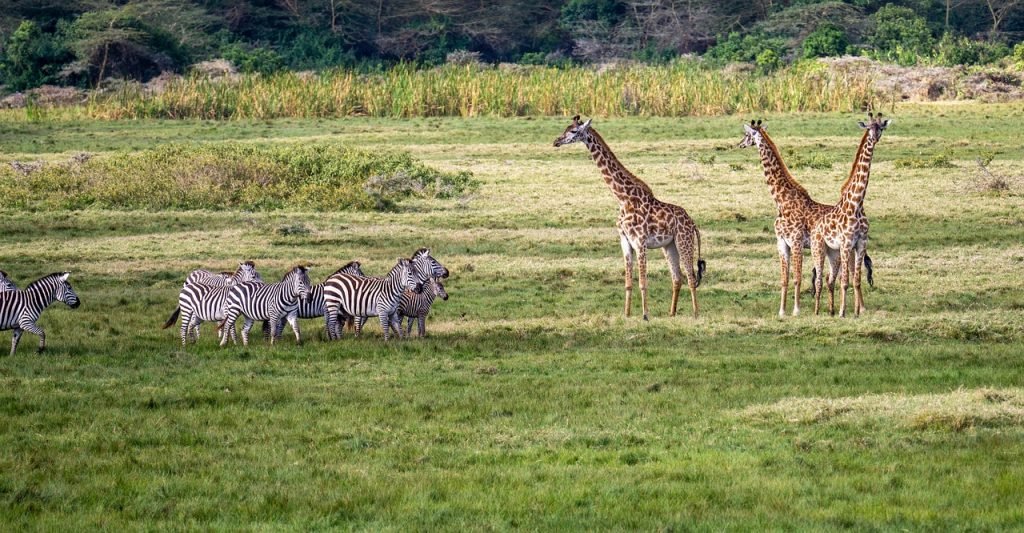
Arusha National Park National Park Tanzania +255 784 058 345 info@againexpeditions.com Arusha National Park Arusha National Park gives you the opportunity to explore nature at its closest. There are good trekking facilities along the climbing route. The route passes through diverse habitats: swamps, openplains, montane forests and volcanoes, all packed within a distance of 35 km. The most striking landmarks are Mount Meru and the Ngurdoto caldera, formed after volcanic eruptions between 1 and 3 million years ago. Mount Meru hasn’t put on a show in over a century, but 6,000 years ago a huge explosion blew away the eastern edge,causing a massive landslide. It is also how the mesmerizing north-eastern Momela Lakes were born. The park has an incredible variety of fauna and flora, which cannot fail to impress. Hollywood also chose this region to film the movie “Hatari” in which Hardy Kruger starred alongside the legendary John Wayne. Your day trip will include a visit to the Ngurdo Crater. Buffaloes, waterbucks, giraffes, warthogs, zebras and baboons can be seen all year round as well as many different bird species. Due to different levels of alkalinity, each of these seven lakes boasts its own spectacular greenish-blue tone. The water is dotted pink with lesser and greater flamingos, while every now and then you might meet the eyes of a hippopotamus. The extinct Ngurdoto volcano in the east is home to a mini Ngorongoro. Looking down from the crater rim you see montane forests – keep an eye open for the majestic Fig Tree Arch – while an open, swampy bottom spreads out below it, at an altitude of around 1,470 metres. The extinct Ngurdoto volcano is home to a mini Ngorongoro The entire park is full of life. You will encounter herds of buffalos (the park’s most abundand species), zebra and giraffe often, but warthog, waterbuck, pairs of dik-dik and reedbuck are also frequent sights. Other mammals roaming the area are the elusive aardvark, the bush pig and the crested porcupine. The low braying call of the silvery-cheeked hornbill regularly penetrates the silence, just as the harsh rhythmic cry of the endangered black and white colobus monkey. And this is not the only acrobat in the dense forest; there are also plenty of vervet monkeys, blue monkeys and olive baboons to be seen. The well-trained spotter’s Ready to plan your next adventure? Tell us your ideas, and we’ll craft a personalized travel itinerary within 3 hours. Book Now

Scroll to Top

Request a program

We are always here to help