
Park

Park

Zanzibar Island

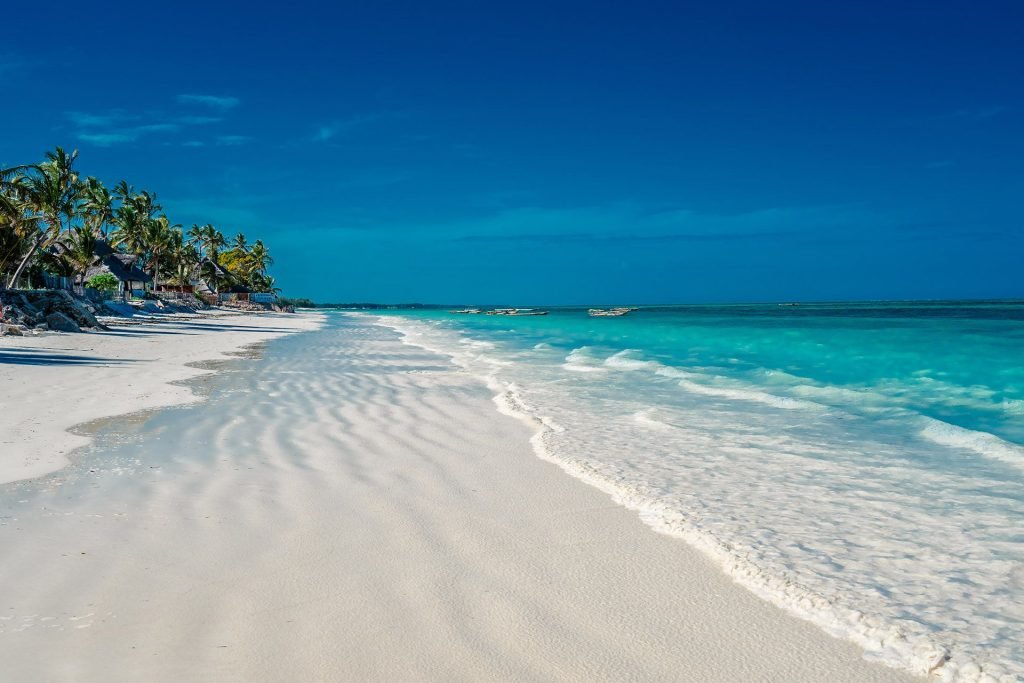
Zanzibar Island Islands Tanzania +255 784 058 345 info@againexpeditions.com Zanzibar Islands The beautiful island of Zanzibar on Africa’s east coast is bursting with culture and history, seemingly at odds with its idyllic geography of white-sand beaches with palms swaying lazily in the sea breeze. Together this makes Zanzibar a fabulous place to explore as well as a dream to relax and unwind. Zanzibar is the semi-autonomous part of Tanzania in East Africa. It is composed of the Zanzibar Archipelago in the Indian Ocean, 25–50 kilometres (16–31 mi) off the coast of the mainland, and consists of many small islands and two large ones: Unguja (the main island, referred to informally as Zanzibar) and Pemba. The capital is Zanzibar City, located on the island of Unguja. Its historic centre is Stone Town, which is a World Heritage Site. Now a UNESCO World Heritage Site, Stone Town is in fact the old quarter of Zanzibar town, the largest population centre on Unguja island. A walk through the spiralling maze of Stone Town’s narrow streets and alleys quickly introduces the mesmerised visitor to all the ingredients of Zanzibar’s history and cultural mix. Buildings reflect Arab and Indian influence, boasting inner courtyards and ornate balconies respectively. Mosques and bazaars, palaces and shops, all add to the unique atmosphere here. While time spent in Zanzibar town is a must, the other attractions of the island cannot be ignored for long. Perhaps a trip to Jozani Forest to see the Kirk’s red colobus, the beautiful monkey species unique to Zanzibar? Kizimkazi, with its lively population of dolphins and historic mosque (1107 A.D) is another worthwhile excursion, as are daytrips to nearby, smaller islands. And a spice tour is almost obligatory. But many visitors can’t wait to get onto those stunning beaches, and with at least 25 stretches of sand to choose from and a year-round warm climate, this is a great place to wind down and chill out. As well as ‘doing nothing’, there are great opportunities for diving and snorkelling in the clear waters of the Indian Ocean, with coral reefs attracting a huge variety of colourful fish and other fascinating sea creatures. Activities that you can do while you at Zanzibar Sunbathing Diving and Snorkeling Jozani Forest safari Spice Tours Stone Town Excursions to nearby islands Zanzibar is actually the collective name for a number of islands including Pemba and Mnemba islands. A stay at one of the many Zanzibar hotels offers the perfect end to a Tanzania safari. It offers an alluring mix of beautiful white beaches, palm groves and spice farms. All mixed with a rich trading history and culture. Ready to plan your next adventure? Tell us your ideas, and we’ll craft a personalized travel itinerary within 3 hours. Book Now
Park

Udzungwa Mountains National Park

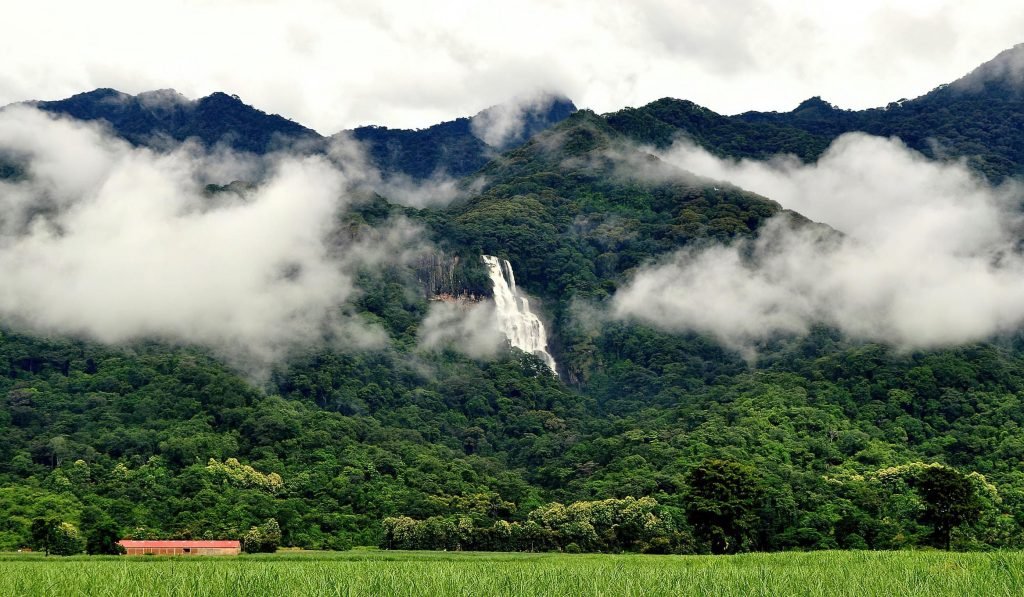
Udzungwa Mountains National Park National Park Tanzania +255 784 058 345 info@againexpeditions.com Arusha National Park Udzungwa Mountains National Park is a national park in Tanzania with a size of 1,990 km. The habitats contained within the national park include tropical rainforest, mountain forest, miombo woodland, grassland and steppe. There is a vertical height range of 250–2,576 metres (the peak of Lohomero), which incorporates the Udzungwa Mountains part of the Eastern Arc Mountains. There are more than 400 bird species, 2500 plant species (25% of which are endemics) and 6 primate species. It has the second largest biodiversity of a national park in Africa. Udzungwa is the largest and most biodiverse of a chain of a dozen large forest-swathed mountains that rise majestically from the flat coastal scrub of eastern Tanzania. Known collectively as “Shining jewel of the Eastern Arc Mountains”, this archipelago of isolated massifs has also been dubbed the African Galapagos for its treasure-trove of endemic plants and animals, most familiarly the delicate African violet. Six primate species have been recorded, five of which are endemic. The Iringa red colobus and Sanje crested mangabeyare only found in the Udzungwa Mountains National Park, the mangabey species was undetected by biologists prior to 1979. Seven hiking trails Udzungwa is a heaven for hikers. The park offers a number of spectacular waterfalls that you can visit and has an excellent network of forest trails. A popular 5 km-hike (4-5 hours) takes you to Sanje Waterfall (170 m), of which the lowermost waterfall cascades 70 m into the forest beneath, leaving a misty spray behind. Other trails that take you through mesmerizing scenery: Prince Bernhard trail (1 hour) Sonjo trail (1 km/1 hour) Njokamoni trail (5 km/5 hours) Campsite 3 trail (14 km/1 day) Mt Mwanihana (38 km/3 days) Rumemo trail (65 km/5 days) The Udzungwa Mountains National Park was established in 1992, mainly due to it’s vegetational value. It covers 1,990 km2 and stretches 80 km from southwest to northeast. Height: 250 m – 2,576 m (Mt Luhomero). Udzungwa Mountains alone among the ancient ranges of the Eastern Arc has been accorded national park status. It is also unique within Tanzania in that its closed-canopy forest spans altitudes of 250 metres (820 feet) to above 2,000 metres (6,560 ft) without interruption. Not a conventional game viewing destination, Udzungwa is a magnet for hikers. An excellent network of forest trails includes the popular half-day ramble to Sanje Waterfall, which plunges 170 metres (550 feet) through a misty spray into the forested valley below. Udzungwa Mountains National Park is one of Tanzania’s most outstanding, pristine, paradise and unique exciting wilderness mountains forested with greatest altitudinal range of forest. It is one of thirty-four “World Biodiversity Hotspot” and one of 200 WWF Ecoregion of global critical importance. Ornithologists are attracted to Udzungwa for an avian wealth embracing more than 400 species, from the lovely and readily-located green-headed oriole to more than a dozen secretive Eastern Arc endemics. Four bird species are peculiar to Udzungwa, including a forest partridge first discovered in 1991 and more closely related to an Asian genus than to any other African fowl. Udzungwa is home to eleven types of primate and out of them, the Iringa red colobus and Sanje Crested Mangabey both occur nowhere else in the world – the latter, remarkably, remained undetected by biologists prior to 1979. The Udzungwa Tour is supported by population of elephants, buffalo, lion and leopard. These larger species tend to be found in the less accessible area of the park. The major attraction of Udzungwa National Park is biologically diverse plants, mammals, reptiles, amphibians, birds , butterfly, and insects of which some of species are found nowhere else in the world. Ready to plan your next adventure? Tell us your ideas, and we’ll craft a personalized travel itinerary within 3 hours. Book Now
Park

Mkomazi National Park

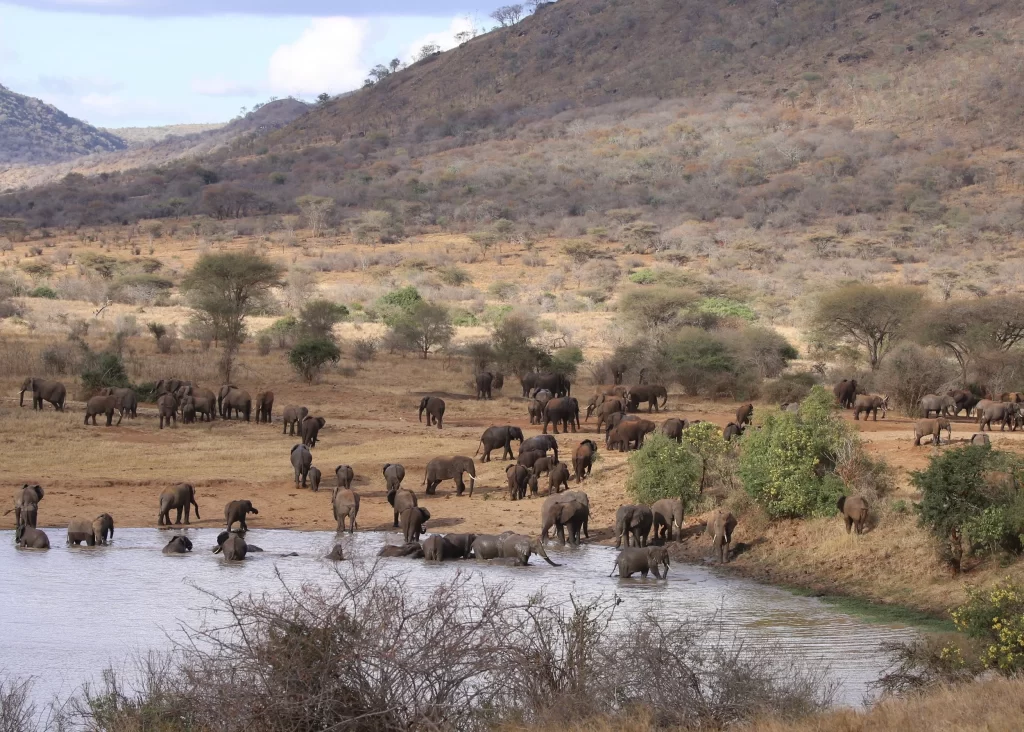
Mkomazi National Park National Park Tanzania +255 784 058 345 info@againexpeditions.com Mkomazi National Park Mkomazi National Park is located in northeastern Tanzania on the Kenyan border, in Kilimanjaro Region and Tanga Region. It was established as a game reserve in 1951 and upgraded to a national park in 2006. The park covers over 3,234 kilometer and is dominated by Acacia–Commiphora vegetation; it is contiguous with Kenya’s Tsavo West National Park. The area commonly called ‘Mkomazi’ is actually the union of two previous game reserves, the Umba Game Reserve in the east and the Mkomazi Game Reserve in the west in government documents they are sometimes called the Mkomazi-Umba Game Reserves. Of the two, Mkomazi is larger, and has more diversity of relief and habitat, and a longer shared border with Tsavo West National Park. In the rest of this entry, ‘Mkomazi’ will refer to both the Mkomazi and Umba reserves together. This park is also one of the best places to see large herds of oryx and gerenuks roaming freely in the open bush land. Other small and large mammals that call Mkomazi their home include lions, leopards, cheetahs, hyenas, jackals, elephants, buffaloes, hartebeests, giraffes and warthogs. A healthy population of 450 bird species is also found in the park and several species can be seen during a game drive. The most commonly seen species include go away birds, ostriches, long crested eagles, hoopoes and bustards. Around the Umba River, sightings of kingfishes, flamingos, cormorants, plovers, ducks and crocodiles basking on the banks are common. Mkomazi is a refuge for the endangered black rhino and wild dog. Two conservation projects are booking promising results: the Mkomazi Rhino Sanctuary that resulted in successful breeding and the Wild Dog Capture and Translocation Programme that successfully released a few dozen dogs into the wild in the last decade. Ready to plan your next adventure? Tell us your ideas, and we’ll craft a personalized travel itinerary within 3 hours. Book Now
Park

Ruaha National Park

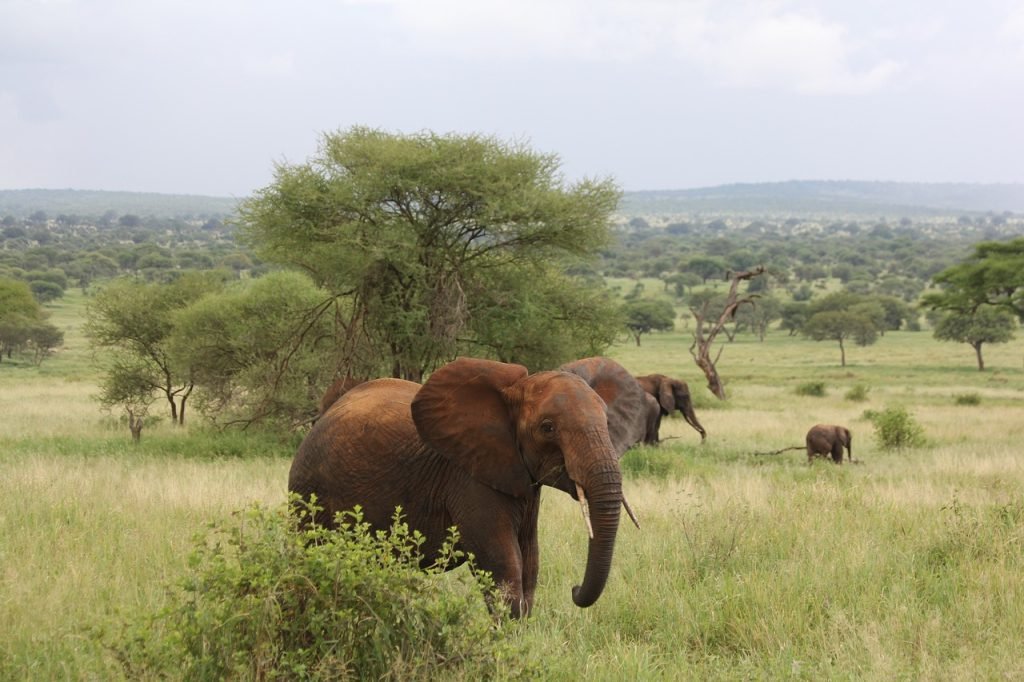
Ruaha National Park National Park Tanzania +255 784 058 345 info@againexpeditions.com Ruaha National Park Ruaha national park is one of the few Tanzania’s famous wilderness area where one can have a rare experience of game viewing spiced up by the fascinating landscape. The park is rich of plants and animals such as Greater Kudu (Tragelaphus strepsiceros) which can not be found in any other national park. The park boasts of her almost untouched and unexplored ecosystem, making visitors’ safari experience very unique. The Great Ruaha River as other rivers like Mwagusi, Jongomero and Mzombe save as the life line of the park. During dry season, these rivers become mostly the main source of water for wildlife. There are few natural springs saving the same purpose. In the pick of dry season, elephants obtain water from dry sand rivers using their front feet and trunks. The remaining water falls along the Great Ruaha River are also important habitat for hippopotamus, fish and crocodiles. Ruaha National Park has a bimodal pattern of rain forest; the short rainfall season begins November to February, while the long season is between March and April. The annual mean rainfall ranges between 500mm-800mm with the average annual temperature of about 280c. The park experiences its dry season between June and October when the temperature at Msembe headquarter reaches 350c. Ruaha combines the untrammelled wilderness of Katavi with the jaw-dropping vastness and wildlife of Serengeti and Tarangire. In the largest national park of East Africa your safari begins the moment the airstrip comes into sight, the pilot deftly maneuvers past the giraffe and zebra roaming around. Ruaha National Park has a high diversity of plants and animals including elephants, buffalos, antelopes and some of rare and endangered species like wild dogs. The park serves as water shade both for wildlife and human being. This makes it to be economically significant as it supports agricultural activities down stream and contributes to hydro- electric power (HEP) for the country at Mtera and Kidatu dams. The park is one of the most important refuges for the highly endangered wild dog. Accommodation Inside the park: five lodges, one resthouse, two public campsites, a few special campsites and bandas. Outside the park: a several lodges (close to the boundaries). Ruaha National you can do Photographing, bird watching, camping and bush lunch. Ruaha National Park has a high diversity of plants and animals including elephants, buffalos, antelopes and some of rare and endangered species like wild dogs. The park serves as water shade both for wildlife and human being. This makes it to be economically significant as it supports agricultural activities down stream and contributes to hydro- electric power (HEP) for the country at Mtera and Kidatu dams. Ready to plan your next adventure? Tell us your ideas, and we’ll craft a personalized travel itinerary within 3 hours. Book Now
Park

Tarangire National Park

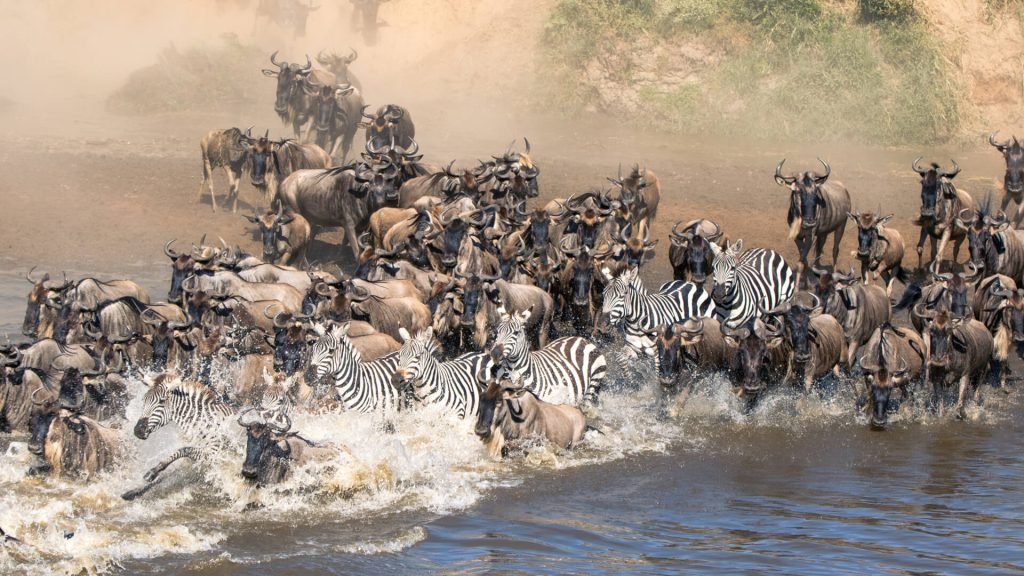
Tarangire National Park National Park Tanzania +255 784 058 345 info@againexpeditions.com Tarangire National Park Tarangire National Park covers an undulating area of 2,600km2, between the plains of the Maasai Steppe to the south-east, and the lakes of the Great Rift Valley to the north and west. The northern part of Tarangire is dominated by the perennial Tarangire River, which flows through increasingly incised ravines until it leaves the north-western corner of the park to flow into Lake Burungi. In the south are a series of vast ‘swamps’ which dry into verdant plains during the dry season. Most wildlife gathers in the central and northern areas of the park. The sight of thousands upon thousands of zebra en wildebeest is something you won’t easily forget. It provides a feeding frenzy for lions – the park’s most abundant residents, leopards and spotted hyenas, which eagerly await their next chance to hunt. In fact, all five of Africa’s greatest wild animals are present. Although the cheetah number varies with the occurrence of gazelles, you stand a high change of seeing it. Flora & Fauna of Tarangire National Park The park’s most obvious features are the permanent Tarangire River, which runs the length of it, and the vast ‘swamps’ – which are, in fact, dry for most of the year. Despite the fact that Tarangire is drier than the Serengeti, its vegetation is generally much more dense including densely packed elephant grass, large areas of mixed acacia woodlands and some lovely ribbons Tarangire’s vegetation comprises of mostly dry, open woodlands, which include thorny acacia thickets and lots of its signature baobab trees. There are also some beautiful stands of acacia tortillis trees (the flat-topped acacias which are so reminiscent of the film Out of Africa) and the occasional palm tree. In the south of the park, amidst these rolling woodlands, is a network of huge, flat swamps. These are impassable during the rains, but dry to a uniform green during the rest of the year. You can also do Game driving, guided walking safaris, balloon safaris and bird watching. Ready to plan your next adventure? Tell us your ideas, and we’ll craft a personalized travel itinerary within 3 hours. Book Now
Park

Serengeti Nationa Park

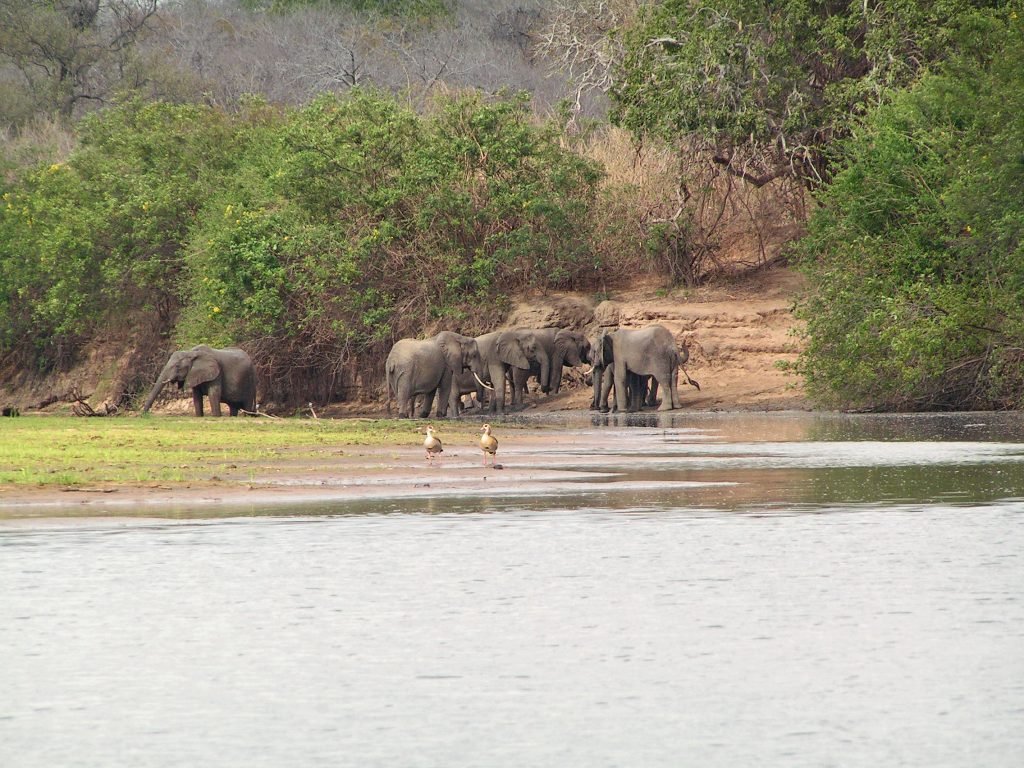
Serengeti Nationa Park National Park Tanzania +255 784 058 345 info@againexpeditions.com Serengeti National Park For some of the year, the Serengeti National Park is home to the largest concentration of migrating plains game in the world. Being surrounded by millions of wildebeest, zebra and gazelle is a phenomenon you will never forget. In their annual migration north they stampede over open plains, plunge into rivers almost as if they are possessed and are endlessly chased by predators. The Serengeti is a World Heritage Site, biosphere reserve and one of the New Seven Wonders of Africa. The Serengeti is vast and beautiful; it’s one of Africa’s most captivating safari areas. The sheer amount of game here is amazing: estimates suggest up to about two million wildebeest, plus perhaps half a million zebra, hundreds of thousands of Thompson’s gazelle, and tens of thousands of impala, Grant’s gazelle, topi hartebeest, eland and other antelope all hunted by the predators for which these plains are famous. Some of this game resides permanently in ‘home’ areas, which are great for safaris all year round. But many of the wildebeest and zebra take part in the migration – an amazing spectacle that’s one of the greatest wildlife shows on earth. If you plan carefully, it’s still possible to witness this in wild and remote areas. The wildebeest breeding season is in January and February, then the move to the north and west of the Serengeti happens between April and June. From July to October the animals move further north to the Masai Mara in Kenya, before starting to return to the southern and central plains of the Serengeti in November. Wildlife Eden offers Serengeti National Park tours in both the northern and southern Serengeti Ready to plan your next adventure? Tell us your ideas, and we’ll craft a personalized travel itinerary within 3 hours. Book Now
Park

Selous National Park

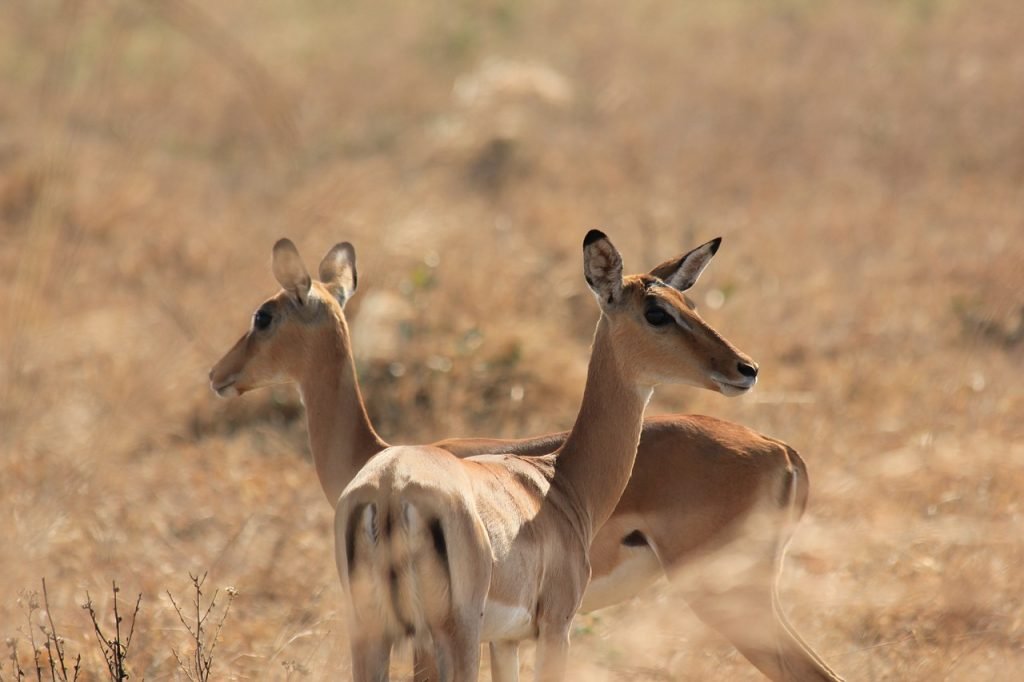
Selous National Park National Park Tanzania +255 784 058 345 info@againexpeditions.com Selous National Park The Selous Game Reserve, one of the largest protected wildlife areas in Africa, showcases Tanzania’s remarkable natural beauty and ecological richness. Much of Africa is shaped like an upside-down saucer, gently sloping from its central plateaus toward the sea, interrupted by features such as Mount Kilimanjaro. Within this landscape lies the Selous, rising from about 1,250 meters above sea level and extending across the coastal plain all the way to the Indian Ocean, where the mighty Rufiji River forms multiple deltas opposite Mafia Island. The reserve covers an impressive 50,000 square kilometers, making it a sanctuary of unparalleled size and significance. Its terrain varies greatly, with broken and hilly country to the south and east, while the northern sector lies directly on the coastal plain at less than 100 meters above sea level. A striking feature of Selous is its diversity of soil types, ranging from black cotton soil and sandy soils in the east to harder and gravel-derived soils, which in turn support a wide range of vegetation. Flora within the Selous is exceptionally diverse, with over 2,000 plant species recorded. Approximately 75 percent of the reserve is blanketed in Miombo woodland, interspersed with 19 different vegetation associations, particularly prominent in the eastern sector. These habitats support a thriving ecosystem, from dense thickets to open wooded grasslands, each teeming with life. Wildlife in the Selous is equally impressive, offering visitors the chance to encounter Africa’s most iconic species in an environment that remains relatively undisturbed by human activity. Large populations of elephants, giraffes, hippopotamuses, crocodiles, cheetahs, and even the endangered black rhinoceros roam freely within its vast boundaries. The abundance of wildlife and the sheer size of the reserve make it an exceptional destination for those seeking a more remote safari experience. With its combination of stunning landscapes, diverse flora and fauna, and minimal human impact, the Selous Game Reserve provides an authentic wilderness adventure. Whether exploring its rivers, woodlands, or open plains, visitors are immersed in a truly wild environment that reflects the very essence of Tanzania’s natural heritage. Ready to plan your next adventure? Tell us your ideas, and we’ll craft a personalized travel itinerary within 3 hours. Book Now
Park

Mikumi National Park

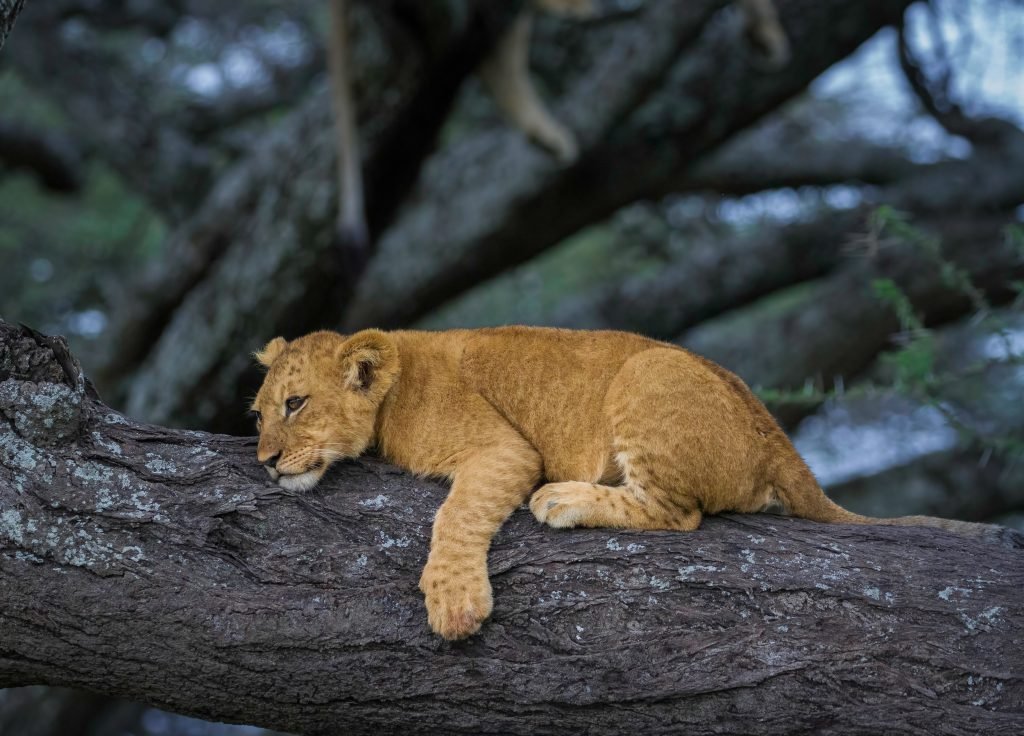
Mikumi National Park National Park Tanzania +255 784 058 345 info@againexpeditions.com Mikumi National Park Mikumi National Park, often referred to as the gateway to Tanzania’s southern safari circuit, is a destination of exceptional natural beauty and wildlife diversity. Divided into two eco-zones by the highway connecting Dar es Salaam to Iringa, the park remains remarkably accessible without compromising the wilderness experience. The Mkata River basin, with its fertile alluvial soil, nurtures expansive savannah plains dotted with iconic trees such as acacia, baobab, tamarind, and the rare borassus palm, from which Mikumi derives its name. Despite the road crossing, the true soundtrack of Mikumi is not traffic, but the powerful roar of lions echoing across the plains. The light at dawn and dusk paints the savannah in golden hues, creating a truly mesmerizing backdrop for wildlife viewing. With more than 15,000 large mammals inhabiting the park, Mikumi offers one of the most concentrated safari experiences in Tanzania. It forms an important ecological corridor, linking with the vast Selous Game Reserve to the south. This connection allows animals to migrate freely, enriching Mikumi’s biodiversity. Visitors frequently encounter wildebeest, zebra, buffalo, impala, warthog, eland, vervet monkeys, yellow baboons, spotted hyenas, and prides of lions. Large herds of elephants gracefully move across the plains, while giraffes—both the Masai and reticulated species—add elegance to the horizon. One of Mikumi’s highlights is its two hippo pools located in the northern region of the park. These permanent water sources not only host hippos wallowing lazily but also attract crocodiles and flocks of water birds, creating a vibrant display of wildlife activity. Bird enthusiasts will find Mikumi especially rewarding, with more than 400 recorded species ranging from colorful lilac-breasted rollers and hornbills to striking secretary birds and eagles soaring above the plains. Whether you are seeking an easily accessible safari close to Dar es Salaam or a deeper journey into Tanzania’s southern wilderness, Mikumi delivers an unforgettable adventure. Its varied landscapes, thriving wildlife, and enchanting atmosphere at sunrise and sunset make it a must-visit destination for both first-time safari travelers and seasoned explorers eager to experience the wild heart of East Africa. Ready to plan your next adventure? Tell us your ideas, and we’ll craft a personalized travel itinerary within 3 hours. Book Now
Park

Lake Manyara National Park

Lake Manyara National Park National Park Tanzania +255 784 058 345 info@againexpeditions.com Lake Manyara National Park Lake Manyara National Park is a protected area in Tanzania's  Arusha  and  Manyara Regions , situated between Lake Manyara and the Great Rift Valley. It is administered by the Tanzania National Parks Authority, and covers an area of 325 km 2  (125 sq mi) including about 230 km 2  (89 sq mi) lake surface. More than 400 bird species have been observed on the lake. Manyara is also home to another forest: an evergreen, jungle-like area full of monkeys enjoying the many, remarkably high trees. The most dominant of them all is the spectacular sycamore fig, hardly to be missed thanks to its creamy yellow and brown bark. Other stunning specimens typical for Lake Manyara National Park are the huge baobabs that you will find all over the Rift Wall. The lushness of the forest derives from groundwater seeping down from the extinct Ngorongoro volcano. This undergroundlife artery can be experienced directly in the hot springs in the south of the park where sulphurous water bubbles out, steaming. Lake Manyara National Park offers a wilderness experience in diverse habitats, from its Rift Valley soda lake to dense woodlands and steep mountainsides. Apart from a spectacular setting, the park is famous for its unusual tree-climbing lions and the vast elephant herds it was established to protect. The shores of the lake, encrusted with pink flamingo, attract more than 400 species of birds, many of them waterfowl or migrants. Large herds of buffalo, cheetah, Masai giraffe and impala roam the lake shores and the forested valley slopes. A Lake Manyara safari is a fascinating experience, as the park also features a ground-water forest, acacia tortilis woodland and hot springs called Maji Moto. Troops of several hundred olive baboon appear alongside Sykes monkey and short-eared galago. Cape clawless otter, Egyptian mongoose, hippo and klipspringer are other park residents and the famous tree climbing lions of Manyara. Ready to plan your next adventure? Tell us your ideas, and we’ll craft a personalized travel itinerary within 3 hours. Book Now

Park

Ngorongoro Crater

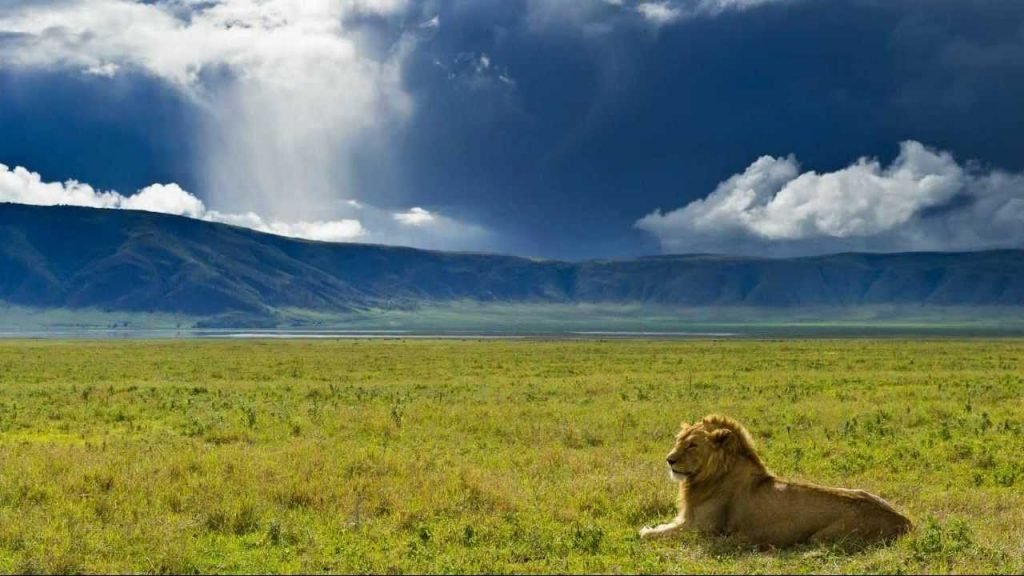
Ngorongoro Crater National Park Tanzania +255 784 058 345 info@againexpeditions.com Ngorongoro Crater The Ngorongoro Crater, often referred to as the “Eighth Wonder of the World,” is one of Tanzania’s most iconic destinations and a UNESCO World Heritage Site. Formed millions of years ago by a massive volcanic eruption, this vast caldera stretches over 260 square kilometers with walls rising as high as 600 meters, creating a natural sanctuary for an incredible variety of wildlife. It is believed by many to be the cradle of humankind, as archaeological discoveries in the nearby Olduvai Gorge reveal some of the earliest evidence of human life dating back nearly two million years. This unique combination of natural beauty and historical significance makes Ngorongoro a truly extraordinary destination. The crater is home to an astonishing density of wildlife, including the legendary Big Five: elephant, lion, leopard, buffalo, and the rare black rhino. In fact, it is one of the best places in Africa to see black rhinos in their natural habitat. Vast herds of wildebeests, zebras, and gazelles graze freely across the crater floor, attracting predators such as lions, hyenas, and cheetahs. With its permanent supply of water from the Ngorongoro Reservoir and lush grasslands, the area sustains wildlife year-round, making it a prime location for unforgettable safari experiences. Beyond its wildlife, Ngorongoro is rich in cultural heritage. The Maasai people, who live in harmony with the wildlife, add a vibrant cultural dimension to the area. Visitors often encounter Maasai herders grazing cattle along the crater rim, offering a glimpse into a traditional way of life that has endured for centuries. The broader Ngorongoro Conservation Area spans 8,292 square kilometers and serves as a unique model of multiple land use, where wildlife, people, and archaeological treasures coexist. During the annual Great Migration, immense herds of wildebeests and zebras pass through its plains, creating one of the most breathtaking natural spectacles on Earth. Whether you are drawn by the dramatic landscapes, the unparalleled wildlife encounters, or the deep historical and cultural significance, Ngorongoro remains a must-visit destination in Tanzania. It is a place where the story of life, both human and wild, continues to unfold in extraordinary harmony. Ready to plan your next adventure? Tell us your ideas, and we’ll craft a personalized travel itinerary within 3 hours. Book Now

Scroll to Top

Request a program

We are always here to help